
Otter Survey and Mitigation
We undertake otter surveys and provide mitigation and licensing advice for developments, highways, bridges, culverts and works affecting watercourses and wetlands.
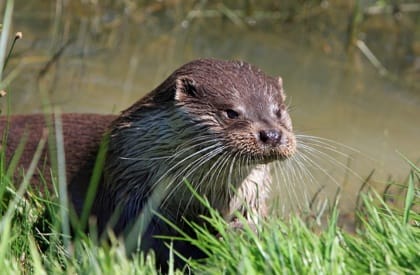
Otters and their breeding sites and resting places receive strict legal protection.
They use rivers, streams, canals, lakes, wetlands, coastlines and surrounding terrestrial habitat. Otters can also travel across land and use small or apparently isolated watercourses as part of a much larger territory.
An otter survey may be needed where a project could affect:
- Watercourses or waterbodies
- Bankside habitat
- Woodland or dense vegetation close to water
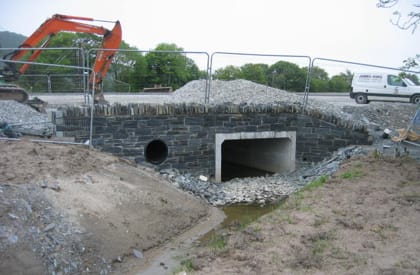
- Culverts and bridges
- Existing or potential resting places
- Habitat connectivity
- Night-time movement routes
Survey methods
Our surveys may record:
- Spraints
- Footprints
- Feeding remains
- Paths and slides
- Holts
- Couches and other above-ground resting places
- Potential breeding sites
- Habitat suitability and connectivity
- Barriers and road-crossing risks
Field signs demonstrate that otters use an area but may not identify every breeding site or resting place. Where the status of a feature is important, remote cameras or repeat monitoring may be appropriate.
Potential project effects
We assess effects including:
- Loss or disturbance of breeding and resting sites
- Lighting
- Noise and vibration
- Construction activity
- Water pollution and sediment release
- Removal of bankside cover
- Culvert or bridge design
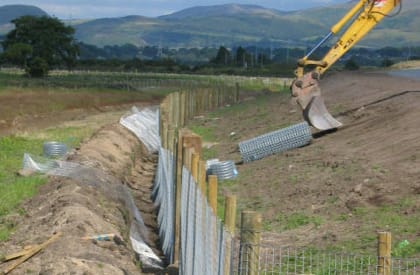
- Obstruction of passage
- Road mortality
- Habitat fragmentation
Mitigation and licensing
Mitigation may include buffers around resting sites, timing restrictions, sensitive lighting, pollution controls, mammal ledges, dry passage, habitat planting, artificial holts and ecological supervision.
Where disturbance or damage to a breeding site or resting place cannot be avoided, an appropriate licence may be required.
Key Benefits of Service
- Experienced otter ecologists
- Survey of aquatic and terrestrial habitat
- Identification of resting places and movement routes
- Remote-camera monitoring where required
- Culvert, bridge and road-crossing advice
- Practical mitigation and artificial-holt design
- Protected-species licensing support