
The National Planning Policy Framework seeks to minimise impacts on biodiversity and provide net gains where possible.
Ecological Mitigation and Management Plans
We prepare practical ecological plans and method statements that convert planning commitments, licence requirements and BNG targets into clear actions on the ground.
Ecological mitigation and management plans describe how ecological features will be protected, created, managed and monitored during and after a project.
They are commonly required by planning conditions, legal agreements, protected-species licences, Environmental Statements and Biodiversity Gain Plans.
Richard Green Ecology prepares plans that are proportionate, site-specific and practical for contractors and land managers to implement.
Construction Environmental Management Plan: Biodiversity
A Construction Environmental Management Plan for biodiversity, often referred to as a CEMP: Biodiversity, sets out the ecological controls required during enabling and construction works.
It may include:
- Ecological responsibilities and lines of communication
- Working areas and exclusion zones
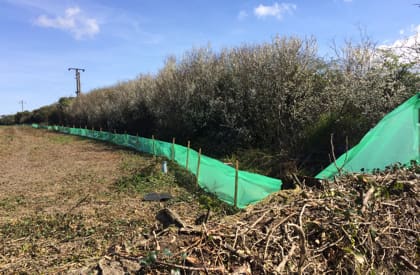
- Protective fencing and signage
- Pollution-prevention measures
- Sensitive vegetation-clearance methods
- Pre-commencement inspections
- Ecological watching briefs
- Seasonal restrictions
- Toolbox talks and inductions
- Procedures for unexpected ecological findings
- Site records and compliance reporting
Landscape and Ecological Management Plan
A Landscape and Ecological Management Plan, or LEMP, describes how retained, created and enhanced landscape and ecological features will be established and managed over an agreed period.
It may cover planting, grassland management, hedgerows, woodland, wetlands, watercourses, habitat structures, invasive species, monitoring and replacement of failed features.
Habitat Management and Monitoring Plan
A Habitat Management and Monitoring Plan, or HMMP, is used to support significant onsite or offsite Biodiversity Net Gain.
An HMMP should define:
- Baseline and target habitat conditions
- Habitat creation and establishment works
- Annual and longer-term management
- Monitoring methods and reporting intervals
- Roles and responsibilities
- Triggers for remedial action
- Adaptive-management procedures
- The full period for which the habitat is secured
Species-specific method statements
We also prepare method statements for bats, dormice, reptiles, amphibians, badgers, nesting birds, otters, water voles and other ecological features.
Where activities require a protected-species licence, the method statement will be coordinated with the licence documents and conditions.
During construction
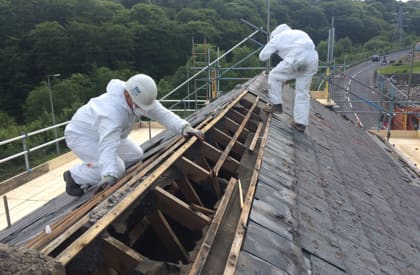
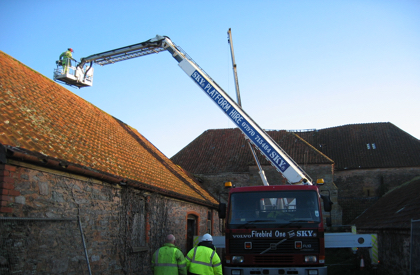
We are also experienced in the Ecological Clerk of Works (ECoW) role and provide ecological toolbox talks and watching briefs during work.
Post-construction
We undertake post-construction monitoring surveys required for planning conditions and protected species licences.
We provide a professional, focused approach and a proven ability to work with other EIA and planning professionals.
We are here to help and provide the best advice, ensuring that your project complies with planning policy and wildlife legislation. Please Contact Us about your project today.
Key Benefits of Service
- Practical and project-specific documents
- Clear responsibilities and work sequences
- Integration with construction programmes
- Compliance with planning and licensing requirements
- CEMP, LEMP, HMMP and species-method statements
- Measurable monitoring and remedial actions
- Support from document preparation through to implementation